Commercial trucking businesses face the constant risk of nuclear verdicts, commonly defined as jury awards over $10 million. Each journey can potentially lead to financial disaster. But truck dash cameras can shift the odds, offering solid evidence, enhancing driver safety, and strengthening defense in lawsuits.
This isn’t just theoretical; many businesses use dash cameras as a shield against nuclear verdicts. This article dives into nuclear verdicts, the benefits of truck dash cameras, and how to use them effectively.
In the world of commercial trucking, the term “nuclear verdict” is synonymous with apprehension and potential financial devastation. A nuclear verdict, commonly defined as a jury award exceeding $10 million, is often delivered in response to cases of severe or fatal accidents. These awards can leave deep financial scars on businesses, and for smaller companies, even spell the end of their operations.
Several factors contribute to the rise of nuclear verdicts. In some cases, these massive awards result from public sentiment that large companies can afford to pay substantial damages, regardless of the actual culpability in the accident. In others, the verdict may reflect the jury’s attempt to send a clear message to an industry or company about perceived negligence or disregard for safety protocols.
At their core, nuclear verdicts stem from a perception that a company prioritizes profit over people, thereby acting negligently or recklessly. Factors including a history of safety violations, insufficient driver training, or lax safety standards often reinforce such perceptions. Consequently, preventing nuclear verdicts is a priority for businesses operating in the trucking industry. Companies must not only demonstrate a commitment to safety and adherence to industry standards but also provide clear, reliable evidence in cases where disputes arise. This is where truck dash cameras come into play, offering a level of protection and transparency that can make a significant difference in legal proceedings.
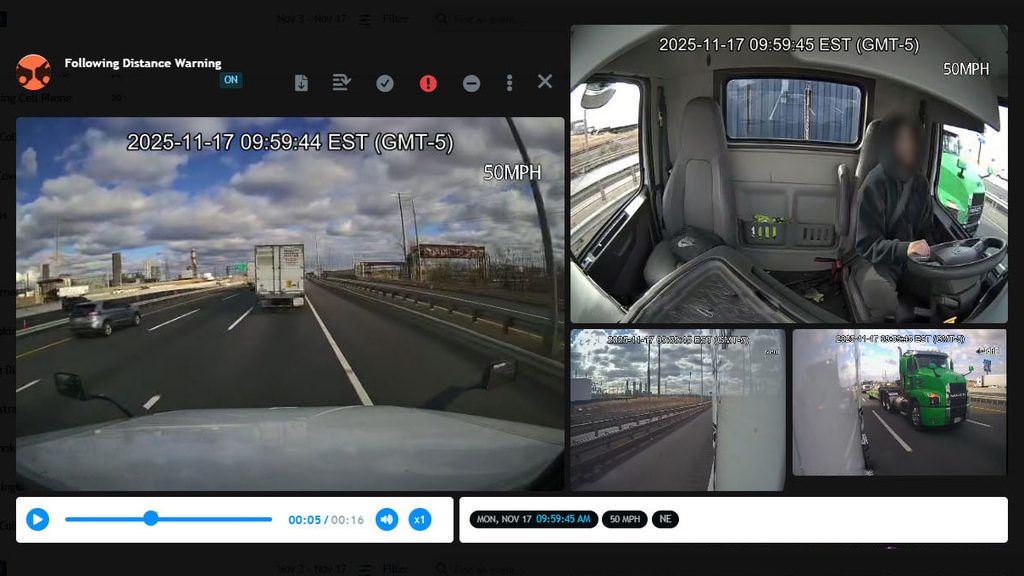
Imagine having an objective, always-alert witness on every journey, one that captures key events and critical seconds. This is the role of truck dash cameras.
Dash cameras capture continuous video footage of the road ahead and often the cabin interior too, recording the truck’s journey. This footage serves as an objective record of a truck driver’s actions and the surrounding circumstances leading up to any event, helping determine whether the driver was behaving irresponsibly or if external factors led to an incident. Given the weight of a nuclear verdict, such objectivity can be the difference between a justifiable defense and financial ruin.
Dash cameras also serve a vital role in proactively promoting safer driving habits. By regularly reviewing dash cam footage, fleet managers can identify and rectify risky driving behaviors before they result in accidents. Footage and alerts are generally discoverable, so act on what the system flags and document the follow-up. The mere presence of these devices often encourages drivers to adhere to safety protocols. In a legal context, such proactive measures can demonstrate a company’s commitment to safety, which can be a key factor in deterring nuclear verdicts.
A truck dash camera can also provide critical information about the driver’s condition, such as signs of fatigue or distraction. Recognizing such patterns allows for interventions that enhance overall driver safety and, by extension, offer additional safeguards against potential lawsuits. FleetCam, our AI dash camera system, does this in real time, alerting drivers in the moment so a lapse in attention is corrected before it becomes an incident.
A compelling case study from Houston, Texas, reported by The Fuentes Firm, P.C., the law firm that defended the carrier, underscores the value of dash cams in providing a robust defense. In this case, a Tennessee-based trucking company and its driver were accused of causing a personal injury accident. The plaintiff alleged that the truck driver swerved out of his lane, leading to a collision with the plaintiff’s car. Damages claimed amounted to $150,000.
However, the trucking company had equipped its vehicles with dash cams prior to the accident. The post does not identify the camera brand used. The recorded footage revealed that the plaintiff’s car had changed lanes rather than the truck, crashing directly into the front corner of the tractor. The truck driver, as the footage showed, had “maintained his lane and did nothing to cause the accident,” in the firm’s words.
When presented in court, the video evidence demonstrated the plaintiff’s allegations as false, and according to the firm, the case was “dismissed before discovery even started”. This not only vindicated the truck driver but also saved the company and their insurance carrier significant legal costs, which totaled less than $5,000 from the referral through the entry of judgment.
The case demonstrates the valuable role dash cams can play in defending against an unfounded claim. Such verdicts can devastate a trucking company financially and tarnish its reputation. However, with the powerful evidence a dash cam provides, trucking companies can effectively challenge unfounded accusations, protecting both their financial resources and public image in an increasingly litigious environment.
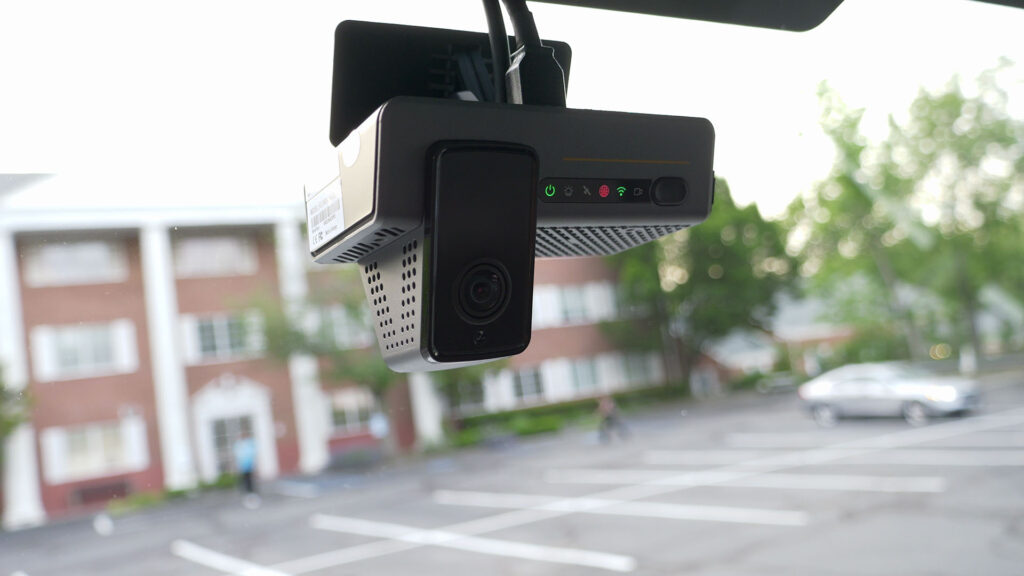
Armed with the understanding of the vital role truck dash cameras play in protecting against nuclear verdicts, it’s crucial to know how to use them effectively. Here, we outline some best practices and legal considerations.
Proper installation: Dash cams should be mounted in a way that provides a clear, unobstructed view of the road ahead and, if applicable, the truck’s cabin.
Secure storage and management of recorded footage: All footage should be stored securely, with a system for easy retrieval of data when needed. The best solution is automatic upload: FleetCam sends safety events to IntelliHub, our fleet management platform, as they happen, so the footage you need is already preserved before anyone asks for it. If a particular event is then needed for legal reasons, downloading and storing to another physical drive is a great practice. When litigation is reasonably anticipated, preserve relevant footage and suspend routine deletion or overwriting.
One part of a broader safety program: Dash cameras are a powerful tool, but they should be part of a holistic approach to safety that includes driver training, regular vehicle maintenance, and a strong safety culture. For example, DriveShield, our automated driver coaching system, curbs risky driving behaviors without adding to your managers’ workload: coaching runs automatically, and managers step in only when a behavior repeats. Footage can also be used to acknowledge and reward good driving habits, creating a culture that values safety and runs efficiently.
Understanding the legal environment: Legal considerations are a crucial aspect of effective dash camera use. Privacy laws vary by jurisdiction, so it’s essential to understand what is permissible where your company operates, including audio recording consent laws and biometric privacy laws, such as the Illinois Biometric Information Privacy Act (BIPA), that may apply to driver-facing artificial intelligence (AI) features. Clearly communicating the company policy to all drivers about the use of cameras, handling of footage, and purposes for which it may be used is highly recommended.
Implementing these practices will not only maximize the effectiveness of your dash cameras but also demonstrate your company’s commitment to safety – a crucial factor in avoiding nuclear verdicts.

In an industry where a single incident can spell financial disaster, implementing robust defensive measures is not a luxury; it’s a necessity. Truck dash cameras can play a pivotal role in safeguarding your business from the potentially devastating impact of nuclear verdicts. They provide an objective account of incidents, foster safer driving habits, and help demonstrate your commitment to safety. Don’t leave your company’s future to chance. FleetCam puts an objective witness in every vehicle, and IntelliHub keeps the evidence organized and ready the moment you need it.
This article is general information, not legal advice; consult counsel about the laws in your state.
A nuclear verdict is commonly defined as a jury award exceeding $10 million, often seen in severe commercial truck accidents. They can be financially damaging, especially for small businesses. Truck dash cameras can provide vital evidence in such cases, potentially preventing these verdicts.
Truck dash cameras can promote safer driving as drivers are able to be helped in real-time with AI-powered advanced driver assistance system (ADAS) and driver monitoring system (DMS) features. Additionally, drivers who know they’re being recorded tend to operate more safely. Fleet managers can also use the footage for driver training and feedback, helping to prevent accidents.
Yes, usage and privacy laws vary by state, so understanding your local regulations is crucial. Communicate a clear policy to drivers about camera use. The benefits of dash cameras in legal defense are real. But it’s critical to get familiar with the laws in your operational territory.
Recent Posts
Categories
Stay in Touch


Ready to make fleet management more manageable?